

Big lodges compete on scale. Shimungwe Lodge offers something that's harder to copy: knowing your name, your coffee order and exactly what you came to see. Here’s why seasoned safari travellers increasingly choose small over spectacular.
The Biggest Mistakes People Make on Their First Safari (And How to Avoid Them)
Posted by Emily on Tue May 26, 2026 in Planning Your Safari, The Shimungwe Experience, and Travel Inspiration.
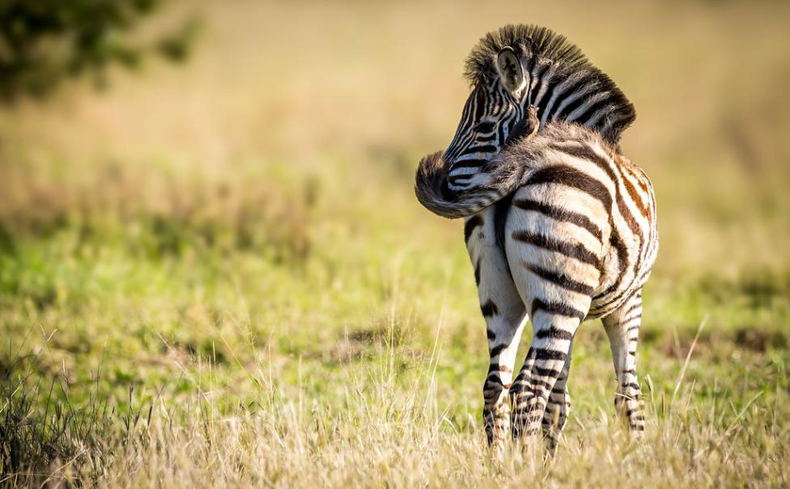
For many travellers, a safari is something that’s been on the list for years. It’s often a once-in-a-lifetime trip, carefully planned and long anticipated. With that in mind, it’s easy to focus on the highlights: the Big Five, the photographs, the idea of being out in the African bush. But what many people don’t realise is that there is so much more to a great safari experience – and what you should know when planning your first safari.
While every stay is different, there are a handful of common mistakes that can shape how much people get out of their time in the bush. Most of them are simple, and easily avoided with a little insight before you travel.
This isn’t about getting everything “right.” A safari isn’t that kind of experience. It’s about setting realistic expectations, giving yourself the time and space to enjoy it properly, and understanding what really makes it special. In this blog, we look at some of the most common first-time safari mistakes – and a few thoughts on how to avoid them.
1. Not Researching Your Safari Location Properly
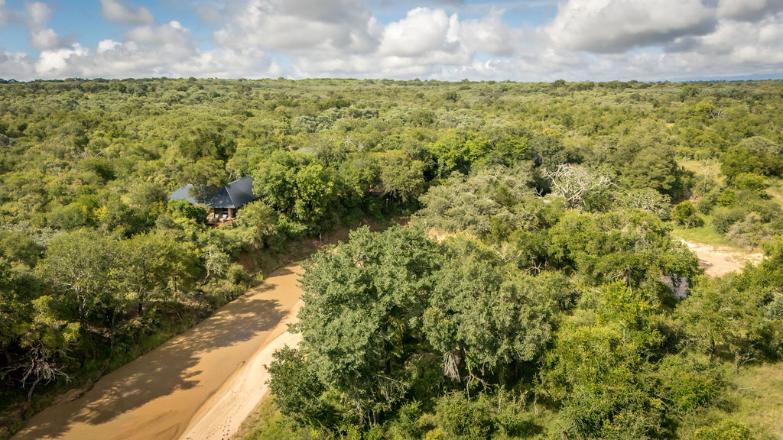
One of the most common mistakes first-time safari travellers make is assuming all safari destinations offer a similar experience. In reality, location shapes everything – from the quality of wildlife sightings to how your days unfold. It’s easy to be drawn to beautiful lodge images, but where that lodge sits matters far more. Not all reserves are equal; some fenced reserves don’t host the full Big Five, while others offer very limited chances of seeing certain key species, like lions or leopards. In South Africa, the difference between a national park and a private reserve can also be significant. In places like Thornybush, part of the Greater Kruger, you benefit from guided drives, off-road tracking, and a more intimate experience with fewer vehicles at sightings.
Other factors such as the size of the area, the density and behaviour of wildlife, and the experience of the guiding team all play an important role in what you will see and how you experience it. A well-located lodge, supported by an experienced guide and tracker team, can contribute significantly to a deeper, more rewarding safari. Wildlife experiences can never be guaranteed. Prioritise location first, and you set the foundation for everything that follows.
2. Focusing Only on the Big Five
It’s completely understandable. The Big Five are what draw many people to safari in the first place, and seeing them in the wild is something special. The problem comes when the experience becomes centred around ticking them off a list.
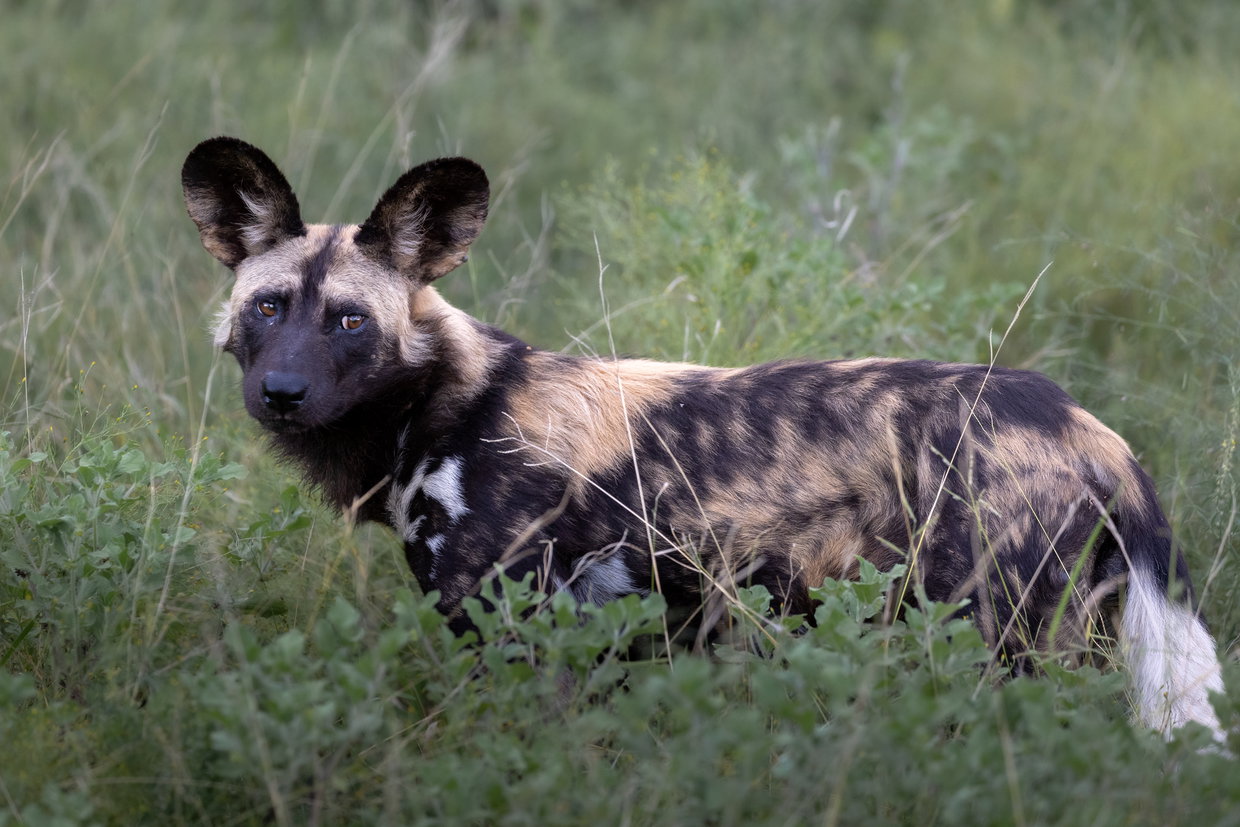
When that happens, it’s easy to overlook everything else that makes a safari so rewarding. A family of mongooses grooming and playing while hornbills keep watch can be just as captivating – if not more so – than a pride of sleeping lions. The same goes for watching wild dogs on the move or spending time with giraffes as they browse quietly amongst the trees. Shifting your focus from ticking off animals to taking in the full experience often leads to a far more enjoyable and memorable safari.
3. Expecting a Safari to Be Like a Documentary
For many first-time travellers, their expectations of safari are shaped by documentaries. Lions hunting on cue, leopards perfectly positioned in trees, and constant action from start to finish. What’s easy to forget is that these scenes are often filmed over many months – sometimes even years – to capture those moments.
In reality, a safari unfolds at its own pace. You might spend time tracking an animal before finding it – a thrill in itself – or sit quietly listening and observing behaviour rather than moving from one animal to the next. Some drives are action-packed, others more subtle – allowing your guides to point out the smaller, equally fascinating species that form part of this intricate ecosystem. Never knowing what is around the next corner is part of what makes it so special.
4. Not Allowing Enough Time for Your Safari
One of the most common planning mistakes is trying to fit a safari into too short a timeframe. It’s understandable, especially when combining multiple destinations, but it can leave the experience feeling rushed. A safari builds over time. Each game drive adds to the last, guides begin to piece together animal movements, and you start to settle into being in the bush rather than simply passing through it.
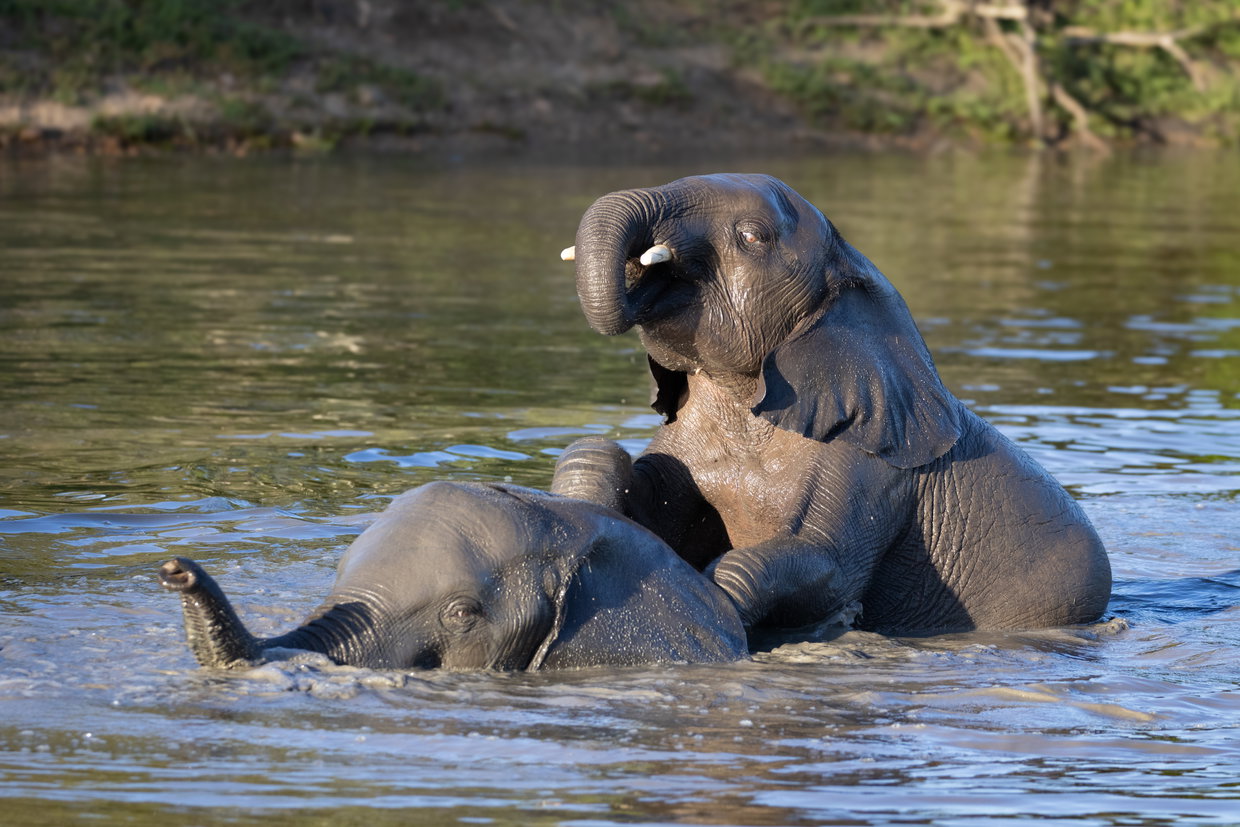
At Shimungwe, you might spend more than half an hour sitting with a herd of elephants as they swim and play in a dam, watching every movement unfold. These are often the moments guests remember most, but they require time and patience. When you only have a night or two, there’s a tendency to move quickly from one sighting to the next, and less opportunity to enjoy the lodge itself. We typically recommend three nights or more to allow you to experience both the wildlife and your surroundings properly, without feeling like you need to rush through it.
5. Packing Incorrectly for Your Safari
Packing for a safari is often simpler than people expect, yet small mistakes can affect your comfort. Overpacking is common. Laundry service is available to all Shimungwe guests at an additional cost, so there is no need to bring excessive amounts of clothing. It is more important to pack appropriately for the season.
Early mornings and evenings can be surprisingly cool in winter, while summer brings heat and the possibility of rain. Lightweight layers, a warm jacket, and a simple raincoat will cover most situations. A few small items also go a long way: a hat and sunscreen for the sun, binoculars if you have them, and spare camera batteries so you don’t miss a moment.
6. Not Asking the Right Questions Before You Book
It’s easy to focus on photos and price when choosing a safari lodge, but the finer details often have the biggest impact on your experience. Not all lodges operate in the same way, and asking the right questions beforehand can make a significant difference to what your time in the bush actually feels like.
Things like the experience of the guides, whether there is a dedicated tracker on each vehicle, the size of the traverse, and how many vehicles are allowed at a sighting all shape the quality of a safari. Smaller lodges with fewer guests often offer a more personal, flexible experience, while larger operations can feel busier and more structured. Taking the time to look a little deeper helps ensure that what you book matches the kind of safari you’re hoping for.
7. Trying to Cut Costs in the Wrong Places
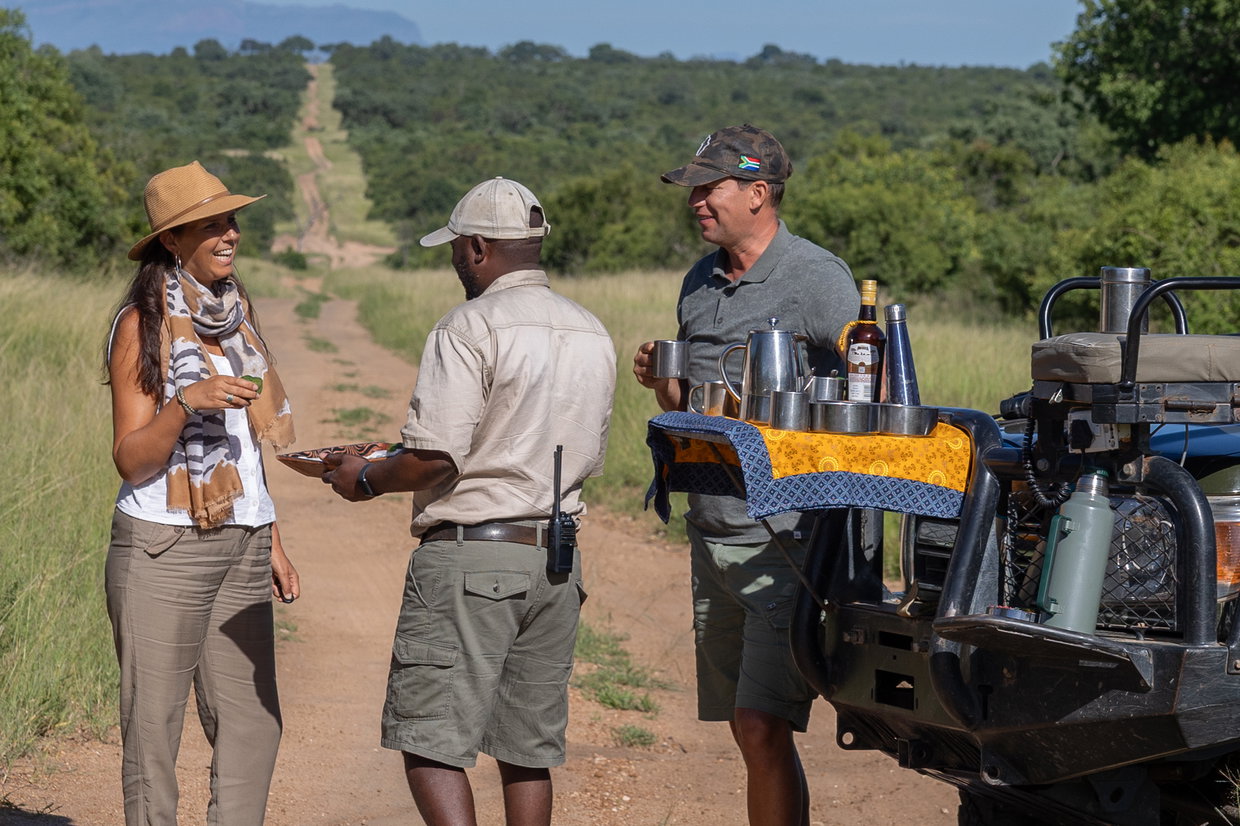
A safari is a significant investment, so it’s natural to look for ways to manage costs. The key is understanding where savings are worthwhile, and where they can change the experience more than expected. One of the biggest trade-offs is between staying inside a reserve on a fully guided safari and choosing more budget-friendly options such as self-driving, or staying outside and booking a day trip in.
While these can reduce costs, they come with compromises. Guides are not simply drivers – they’re there to impart years of knowledge and expertise, and often know the best places to look. When staying outside the reserve, you also miss the experience of being fully immersed in the bush – hearing lions at night or watching wildlife move through camp – whilst travelling in and out cuts into the early morning and late afternoon hours when animals are most active. In contrast, a guided stay within a reserve allows you to make the most of these key periods and enjoy a far more complete safari experience.
8. Underestimating Travel Distances in South Africa
South Africa is a large country, and distances between key destinations are often underestimated. Shimungwe is approximately six hours by road from Johannesburg. Flying to Hoedspruit can substantially reduce the journey, followed by an approximately 45-minute road transfer to the lodge. Choosing the right option can make a significant difference to how much time you actually spend on safari. For many people, this is a once-in-a-lifetime trip, so it’s worth planning carefully. Minimising travel time where possible allows you to spend more time in the bush, making the most of every game drive and every moment of the experience.
A first safari is something people remember for the rest of their lives, and a little preparation goes a long way in shaping that experience. Most of these mistakes come down to expectations – trying to do too much, too quickly, or not fully understanding how a safari works. With the right approach, enough time, and a well-chosen location, what begins as a trip quickly becomes something far more memorable.
Planning your first safari? Explore Shimungwe’s game-drive experience, check our frequently asked questions or contact the reservations team for help planning your stay.
Further Reading
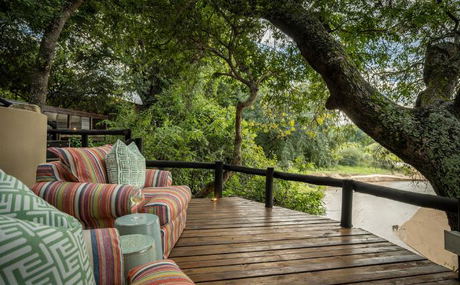
Known by Name, Not Room Number: The Case for choosing a Small Boutique Safari Lodge for your next Big Five African Safari
Thu August 6, 2026
Read This Article
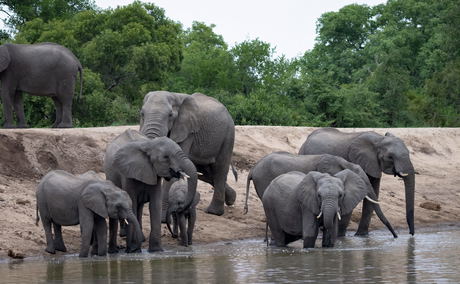
What is a Big Five safari?
Thu January 1, 2026
Read This Article
You may have heard the term “Big Five safari” - but do you actually know what it means? Who are the Big Five, and why are they called that? In this blog, we want to unpack one of the most commonly searched safari terms: why seeing the Big Five is considered so special, and what else there is to discover beyond this famous list.
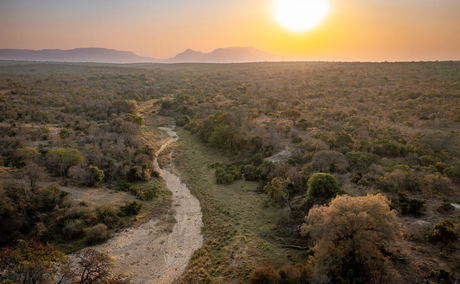
Thornybush Game Reserve: A Complete Guide to Safari in the Greater Kruger Park
Mon August 25, 2025
Read This Article
There is a distinctive feeling when you enter Thornybush Game Reserve. The air seems fresher, the light softer and every rustle in the leaves carries the possibility of a wildlife encounter. Protecting more than 14,000 hectares, Thornybush is a private nature reserve within South Africa’s Greater Kruger ecosystem. It combines a long conservation history with exceptional Big Five safari experiences in an unfenced wilderness.
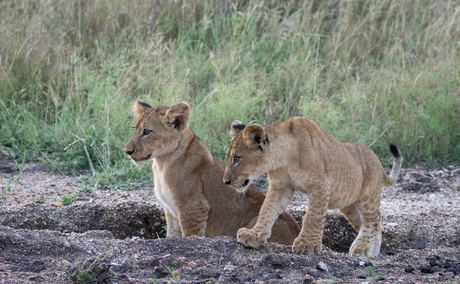
Curious Cubs: Lions at Shimungwe
Wed April 16, 2025
Read This Article
From playful pounces to tree-top tumbles, our guests shared a truly magical moment with the Guernsey pride’s youngest members. During a remarkable period for lion cub sightings in Thornybush Game Reserve, game viewing like this becomes even more special. Join us as we reflect on a golden afternoon in the bush - and celebrate the rise of a new lion dynasty at Shimungwe Lodge.
Share This Post