


For many travellers, a safari is something that’s been on the list for years. It’s often a once-in-a-lifetime trip, carefully planned and long anticipated. With that in mind, it’s easy to focus on the highlights: the Big Five, the photographs, the idea of being out in the African bush. But what many people don’t realise is that there is so much more to a great safari experience – and what you should...
What is a Big Five safari?
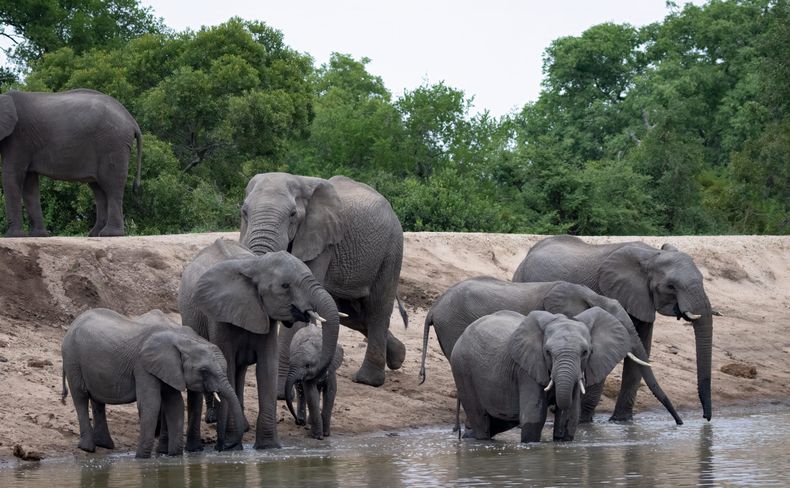
You may have heard the term “Big Five safari” - but do you actually know what it means? Who are the Big Five, and why are they called that? In this blog, we want to unpack one of the most commonly searched safari terms: why seeing the Big Five is considered so special, and what else there is to discover beyond this famous list.

So, let’s dive in.
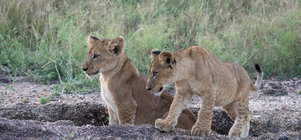
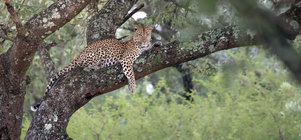
A Big Five safari takes place in an area where lion, leopard, elephant, buffalo and rhino live in the wild. The term does not mean that guests are guaranteed to see all five. Wildlife moves freely, and every sighting depends on the animals’ location, behaviour and the conditions on the day. In fact, the only places that can truly “guarantee” sightings of the Big Five are small, fenced enclosures. In the wild, animals move freely - and leopards, in particular, are masters of disappearing into the shadows.

Shimungwe is located in Thornybush Game Reserve, part of South Africa’s unfenced Greater Kruger ecosystem. Our experienced guide and tracker team reads tracks, calls and other signs while searching for wildlife. Big Five sightings are frequent, but no two game drives are the same and no species can be guaranteed. Our guide and tracker team draw on decades of experience, reading subtle signs in the bush as they search for lions, leopards and rhinos on the move. Because the wildlife here lives completely wild and free, no two game drives are ever the same. That said, the vast majority of our guests leave having seen the entire Big Five in their natural habitat - sometimes more than once.

So why are the Big Five so popular?
The answer lies in history. In the late 19th century, colonial big-game hunters coined the term “Big Five” to describe the five animals they considered the most dangerous to hunt on foot. Successfully hunting them was seen as a major accolade. Over time, as attitudes shifted and conservation took centre stage, the meaning evolved from hunting to photographing, or simply witnessing these animals in the wild.
In that sense, the idea of “seeing the Big Five” can feel a little arbitrary - even like a marketing gimmick. And yet, there’s something undeniably powerful about coming face to face with such extraordinary animals. Sitting just metres from a wild lion, close enough to feel its presence yet barely acknowledged by it, is an experience that’s hard to put into words. For many safari-goers, moments like these are the stuff of lifelong dreams.

Where the term Big Five truly falls short, though, is in capturing the sheer richness of the African wilderness. There is so much more to a safari than five animals. The frantic energy of a pack of African wild dogs on the move, the quiet awe of standing beneath a towering giraffe - the tallest animal on Earth - or the simple joy of watching zebra and warthogs grazing peacefully among the trees.
From curious hyenas and playful monkeys to colourful birds and camouflaged chameleons, the bush is alive with detail, movement and surprise. Often, it’s these smaller, unexpected moments that linger longest in the memory.

Words and photos by Emily Whiting
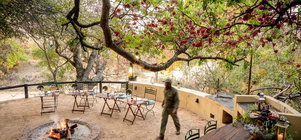
Guests staying at Shimungwe Lodge in Thornybush Game Reserve enjoy game drives twice daily at dawn and dusk, where sightings of the Big Five are common.
Further Reading
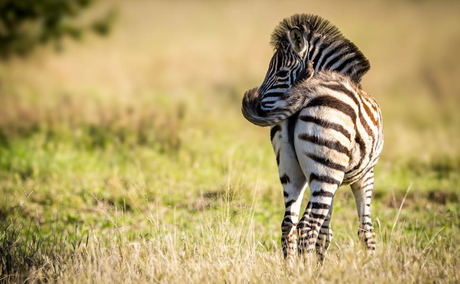
The Biggest Mistakes People Make on Their First Safari (And How to Avoid Them)
Tue May 26, 2026
Read This Article
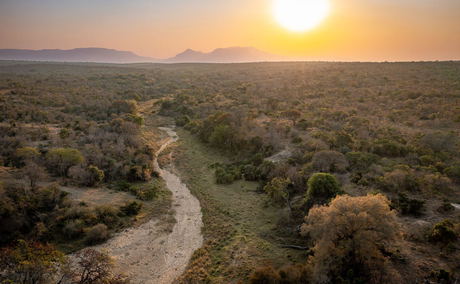
Thornybush Game Reserve: A Complete Guide to Safari in the Greater Kruger Park
Mon August 25, 2025
Read This Article
There is a distinctive feeling when you enter Thornybush Game Reserve. The air seems fresher, the light softer and every rustle in the leaves carries the possibility of a wildlife encounter. Protecting more than 14,000 hectares, Thornybush is a private nature reserve within South Africa’s Greater Kruger ecosystem. It combines a long conservation history with exceptional Big Five safari experiences in an unfenced wilderness.
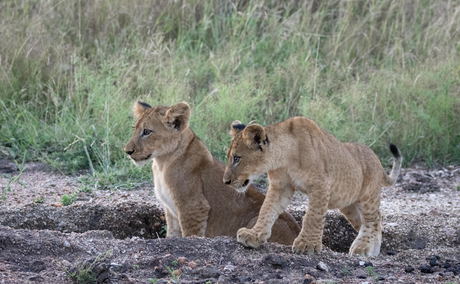
Curious Cubs: Lions at Shimungwe
Wed April 16, 2025
Read This Article
From playful pounces to tree-top tumbles, our guests shared a truly magical moment with the Guernsey pride’s youngest members. During a remarkable period for lion cub sightings in Thornybush Game Reserve, game viewing like this becomes even more special. Join us as we reflect on a golden afternoon in the bush - and celebrate the rise of a new lion dynasty at Shimungwe Lodge.
Share This Post